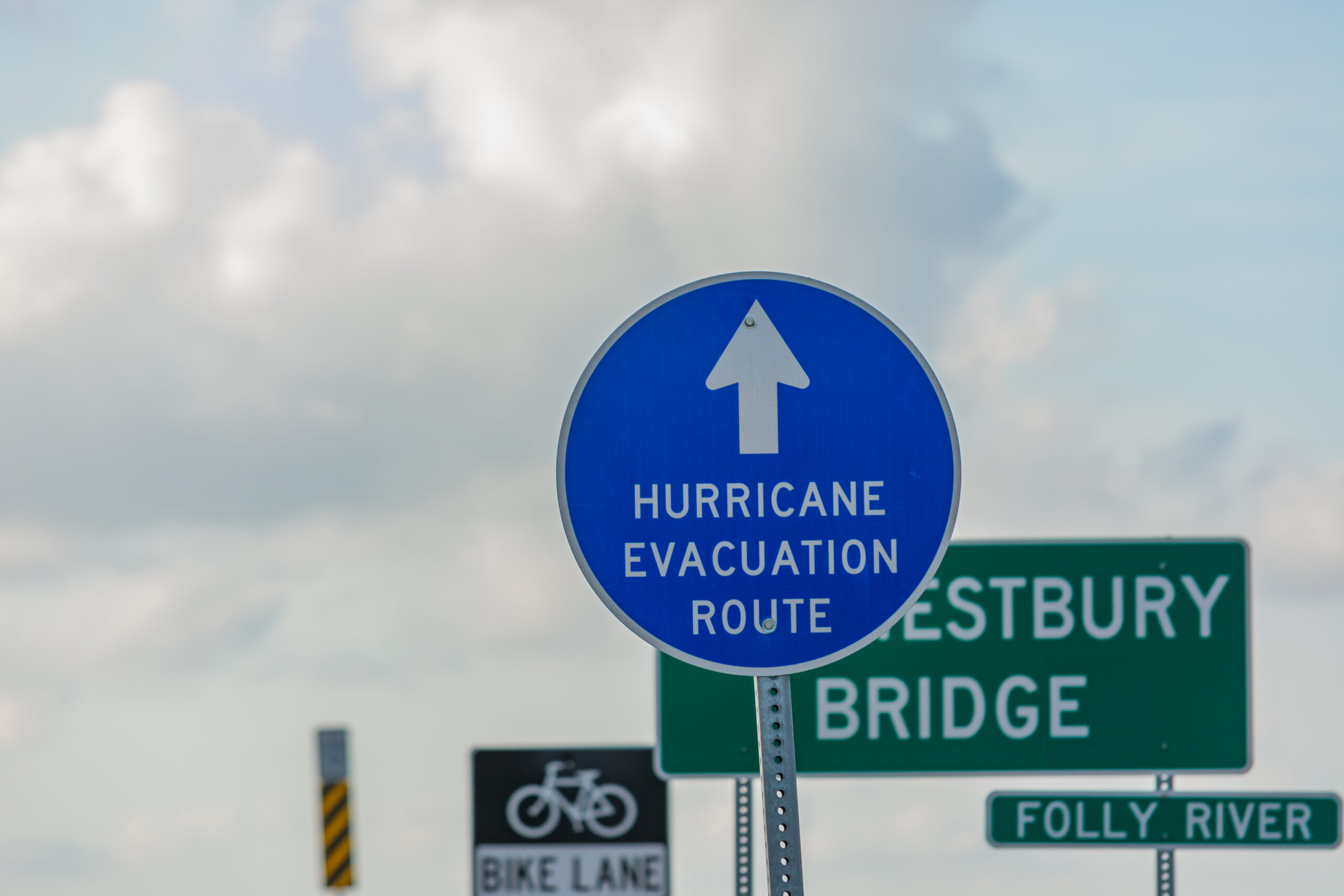
In South Carolina, we know the routine.
A storm starts forming somewhere in the Atlantic. A few days later, we’re checking the forecast a little more often. Then suddenly everyone is talking about bottled water, batteries and whether we need to bring everything in from the yard.
Preparing your home for severe weather is important. But there’s another part of storm preparation that’s easy to overlook:
Your finances.
South Carolina’s hurricane season runs from June through November, with late August through mid-October typically representing the peak of the season.
That makes September a good time to make sure your financial storm plan is just as ready as the rest of your household.
- Give Your Emergency Fund a Job
We often talk about emergency savings in the abstract: You should have money set aside for a rainy day.
In South Carolina, sometimes that rainy day is literal.
Severe weather can bring expenses you didn’t plan for, from supplies and evacuation costs to home or vehicle repairs. Even a relatively small emergency fund can give you another option when an unexpected expense arrives.
If you don’t have much saved yet, don’t let a big savings goal keep you from starting.
Try setting aside a manageable amount from each paycheck. $10, $25 or $50 at a time may not feel significant but building the habit matters.
At Palmetto First, we believe progress counts—even when it happens a little at a time.
- Know What Your Insurance Actually Covers
When was the last time you looked at your homeowners, renters or auto insurance coverage?
Before severe weather threatens the area, take a few minutes to understand your policies, deductibles and coverage limits.
The South Carolina Department of Insurance specifically recommends reviewing insurance policies as part of hurricane preparation and notes that once a storm is named and likely to affect an area, insurers may temporarily stop issuing new policies or making coverage changes.
It’s much better to discover a potential gap now than after you need to file a claim.
- Keep Important Financial Information Accessible
If you had to leave home unexpectedly, could you easily access the financial information you’d need?
Consider keeping important documents and information together in a secure, accessible place, including:
- Insurance information
- Identification
- Important account and contact information
- Copies of essential household documents
- Emergency contacts
South Carolina emergency officials also recommend keeping important documents together so they’re accessible if evacuation becomes necessary.
Remember to protect digital information, too. Strong passwords and secure access to your financial accounts matter all year long.
- Don’t Forget About Cash Flow
Storm preparation can get expensive quickly.
Food, water, batteries, fuel and other supplies can add up—especially if you’re buying everything at once.
Instead of waiting until a storm is approaching, consider adding a small emergency-preparedness category to your regular budget. You can gradually purchase supplies or set aside money specifically for those expenses.
You’ll spread the cost over time and avoid putting additional pressure on your regular monthly budget.
- Make Sure You Can Bank from Anywhere
Severe weather can change plans quickly, so it’s worth making sure you can access your accounts without visiting a branch.
Palmetto First offers online and mobile account access, including the ability to manage your accounts while you’re away from a branch.
Before you need it, make sure you know your login information and that your contact information is current.
It’s one small thing you can cross off the list now.
- Be Careful With “Emergency” Offers After a Storm
Unfortunately, disasters can create opportunities for scammers.
Be cautious if someone unexpectedly contacts you asking for account information, passwords or payment—particularly if they’re using urgency or fear to pressure you into acting quickly.
The same rule applies after a storm as it does every other day: slow down, verify who you’re dealing with and protect your personal financial information.
If something involving your Palmetto First account doesn’t feel right, contact the credit union directly rather than relying on the contact information provided in an unexpected message.
A Little Preparation Can Go a Long Way
You can’t control where the next storm goes.
But you can take a few steps now to make an already stressful situation easier to manage.
Build your savings little by little. Review your insurance. Organize important information. Make sure you can access your accounts. And have a plan for the expenses that can come with severe weather.
And if your finances aren’t quite as prepared as you’d like them to be, that’s okay. You don’t have to figure everything out at once.
Palmetto First offers free financial counseling to members based on their individual needs, including budgeting assistance and debt management support.
Because being prepared isn’t about expecting the worst.
It’s about knowing you’re a little more ready for whatever comes next.